- Home
- Dr. Pragati
-
General Dermatology
Acne Treatment Eczema Care Dermatitis Care Psoriasis Rosacea Fungal InfectionsCosmetic Dermatology
Chemical Peels Botox & Fillers Skin Rejuvenation Microneedling Scar ReductionHair, Scalp & Kids
Hair Loss Dandruff PRP Therapy Diaper Rash Pediatric AcneNails & Surgical
Ingrown Toenails Fungal Nails Mole Removal Cyst Excision Skin Biopsy - Gallery
- Blogs
- Contact
Dr. Pragati Gogia Jain
Dermatologist in Lucknow
Compassionate, evidence-based dermatology care with the best dermatologist in Lucknow focused on long-term skin health, patient trust, and natural results.

Working Hours
Mon–Sat, 9 AM – 5 PM
Sunday: Closed
Call Us
Welcome to the Official Practice of Dr. Pragati Gogia Jain
Healthy skin is not just about appearance — it is a reflection of overall well-being. When it comes to choosing the right dermatologist in Lucknow, patients look for experience, transparency, and genuine care.
Dr. Pragati Gogia Jain is a highly trained and experienced skin doctor in Lucknow dedicated to delivering personalized, ethical, and scientifically backed skin and hair treatments.
With over 14 years of clinical experience and advanced training in dermatology and dermatosurgery, she has successfully helped thousands of patients achieve healthier skin with confidence.
Currently serving as Senior Dermatology Consultant at Max Super Speciality Hospital, Dr. Pragati combines medical precision with a compassionate approach to patient care.
0
0
0
0
About Dr. Pragati Gogia Jain — Dermatologist at Max Hospital, Lucknow
Dr. Pragati Gogia Jain is a Senior Consultant Dermatologist, Venereologist, and Leprologist at Max Super Speciality Hospital, Lucknow — with over 14 years of experience across some of India's most respected medical institutions. Internationally trained through a prestigious Fellowship in Dermatosurgery at the National Skin Centre, Singapore, she brings global standards of skin care in Lucknow directly to her patients.
Her academic credentials are equally impressive — an MBBS from SSR Medical College, Mauritius, and a DNB in Dermatology from Government Medical College & Hospital, Chandigarh, where she also served as Senior Resident. Earlier in her career she practiced at Jeevan Mala Hospital, New Delhi, Regency Healthcare, Kanpur, and Apollomedics Super Speciality Hospital, Lucknow — building a diverse clinical experience that few dermatologists in Lucknow can match.
Dr. Jain is not just a clinician — she is an active researcher with published papers in international peer-reviewed journals including Dermatologic Therapy, the International Journal of Trichology, and the American Journal of Therapeutics. She is also a recipient of the Best Paper Presentation award at AIIMS New Delhi and holds five university gold medals from her MBBS.
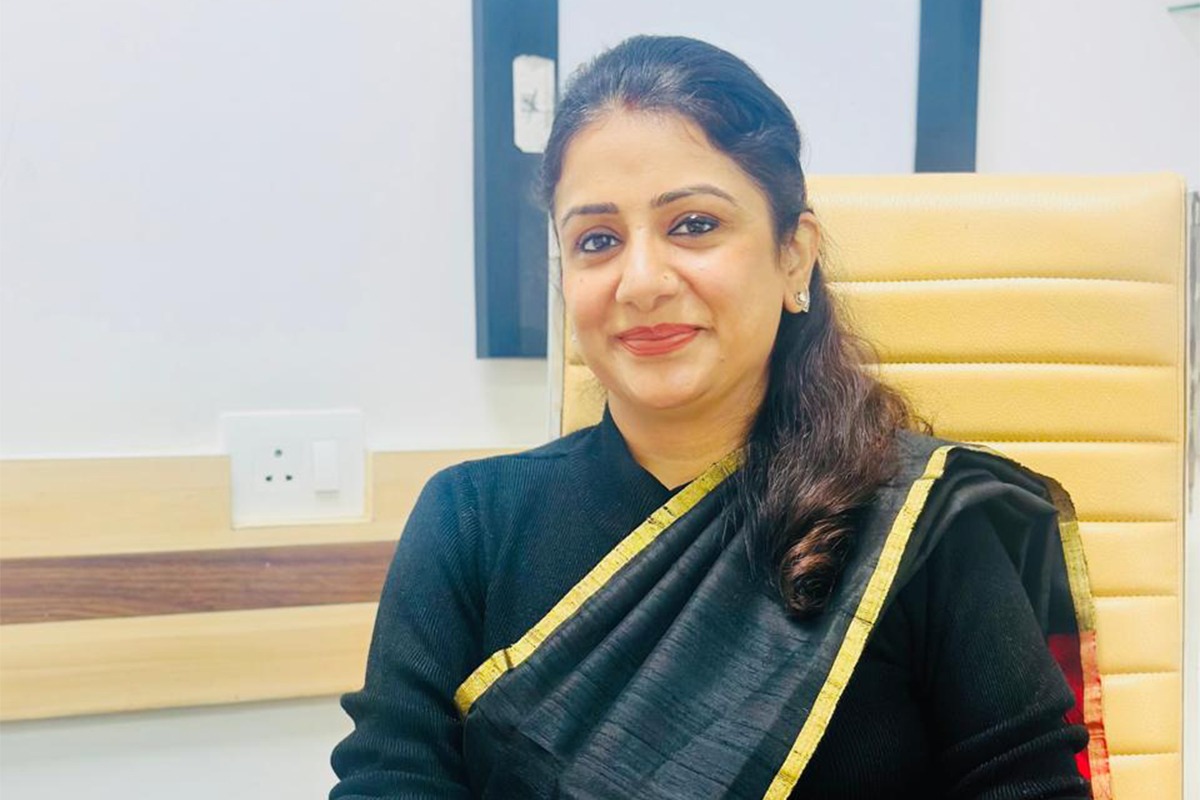
Her expertise covers the complete spectrum of dermatology — from medical conditions like acne, psoriasis, eczema, and pemphigus to advanced cosmetic treatments including laser procedures, acne scar management, Botox, dermal fillers, PRP therapy, HIFU, and body contouring. She is a proud member of IADVL and the Association of Cutaneous Surgeons of India.
With an 85% patient recommendation score and over 500 successful procedures, patients choose as a skin doctor in Lucknow to Dr. Pragati Gogia Jain for one simple reason — she combines the science of dermatology with genuine, personalized care for every individual she treats.
Skin Problems Dr Pragati Gogia Jain Treats
Dr Pragati offers a comprehensive suite of advanced dermatological services to effectively address all your skin, hair, and nail concerns. Explore our specialized treatments designed to help you achieve healthy, clear, and radiant skin with expert care and precision by an expert skin doctor in Lucknow.
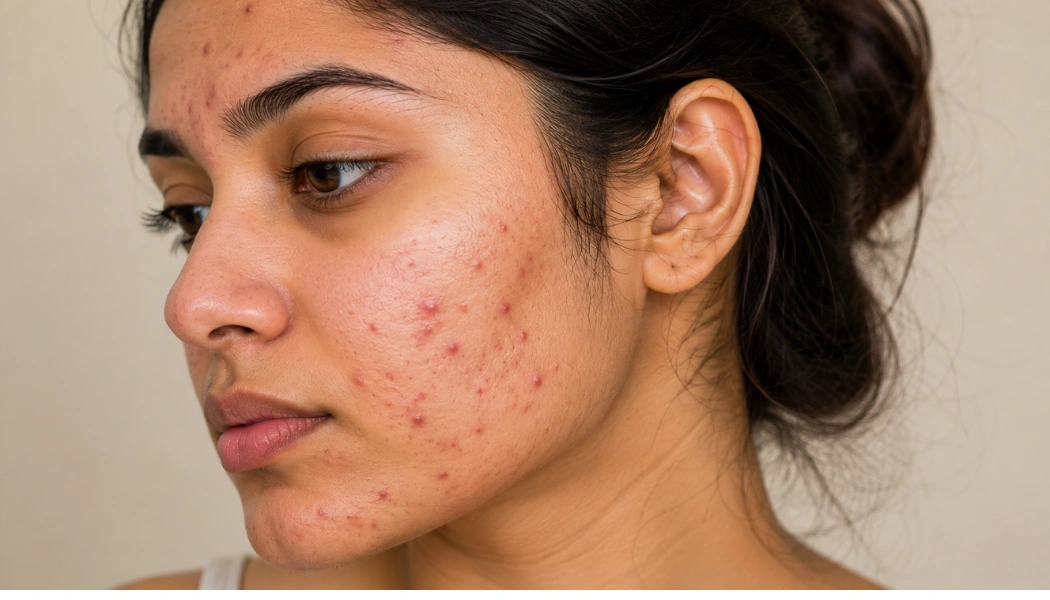
Acne Treatment
Prescription-grade plans for breakouts & scarring.
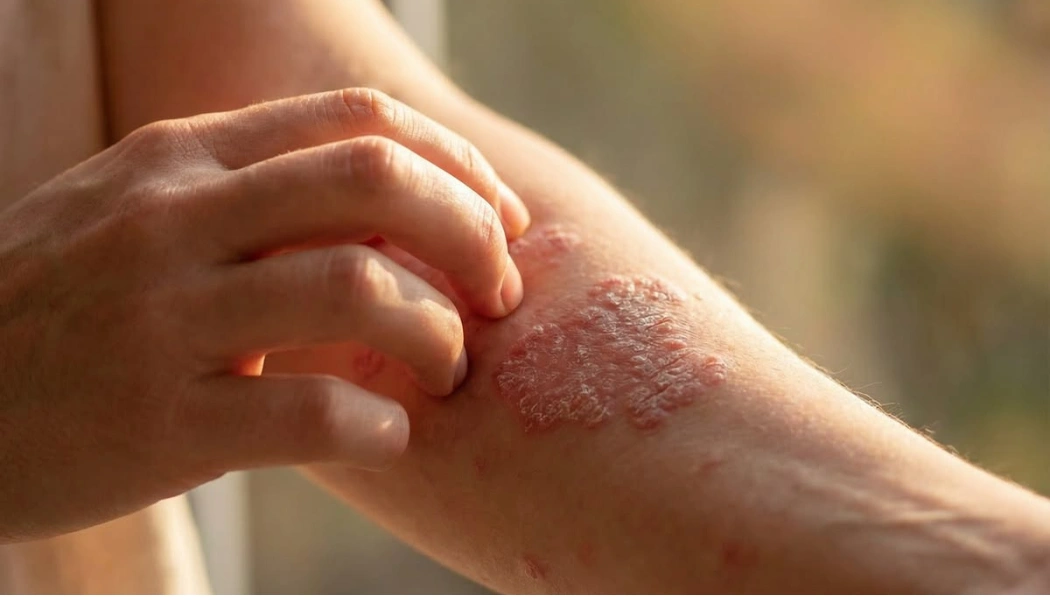
Eczema Care
Calming flare-ups and restoring the skin barrier.
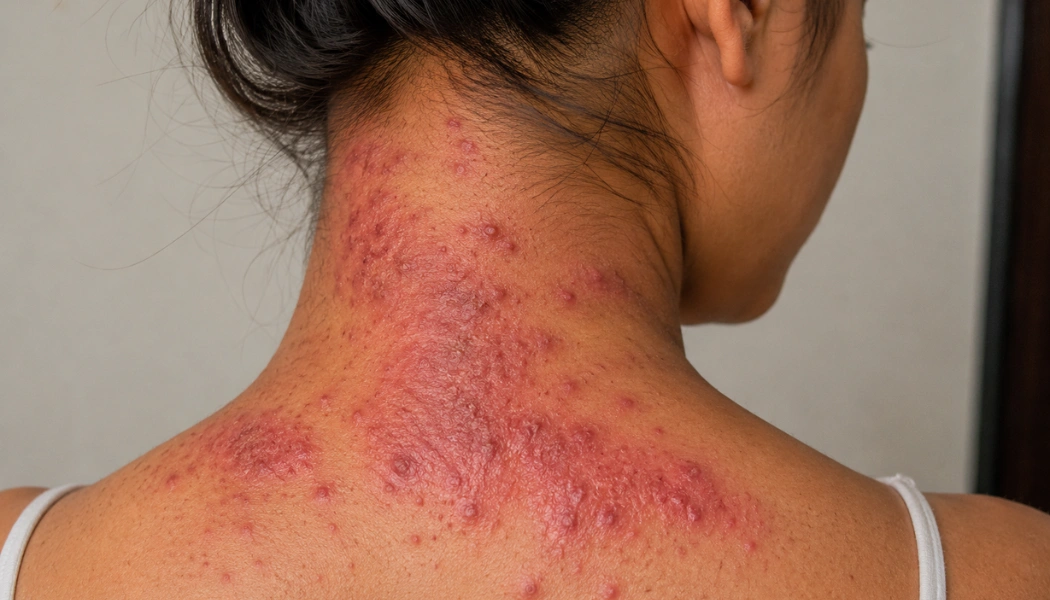
Dermatitis Care
Identifying triggers behind irritation & rashes.
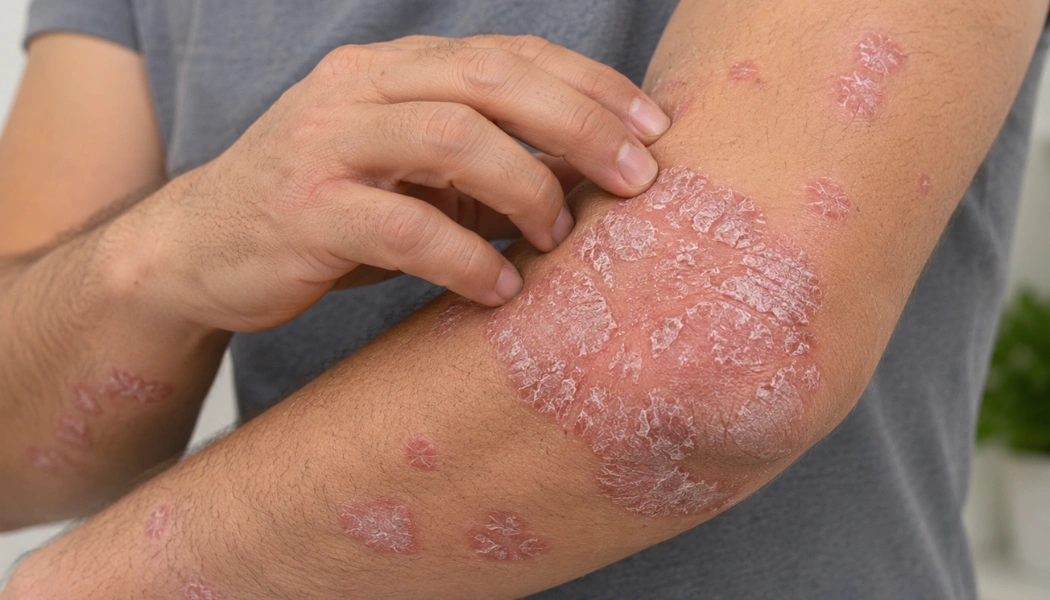
Psoriasis
Long-term management of an autoimmune condition.
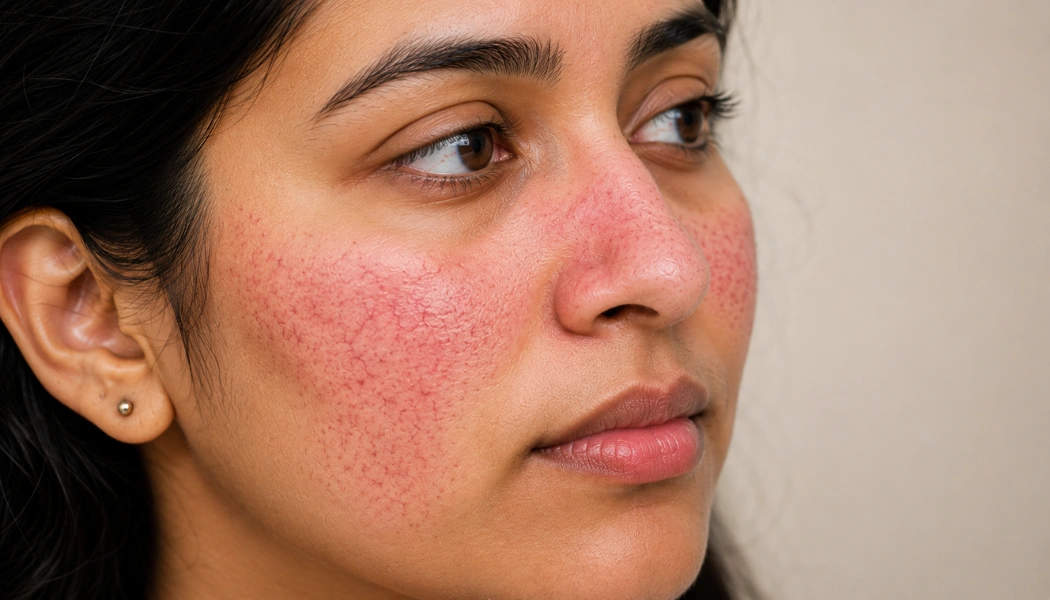
Rosacea
Reducing redness and sensitivity over time.
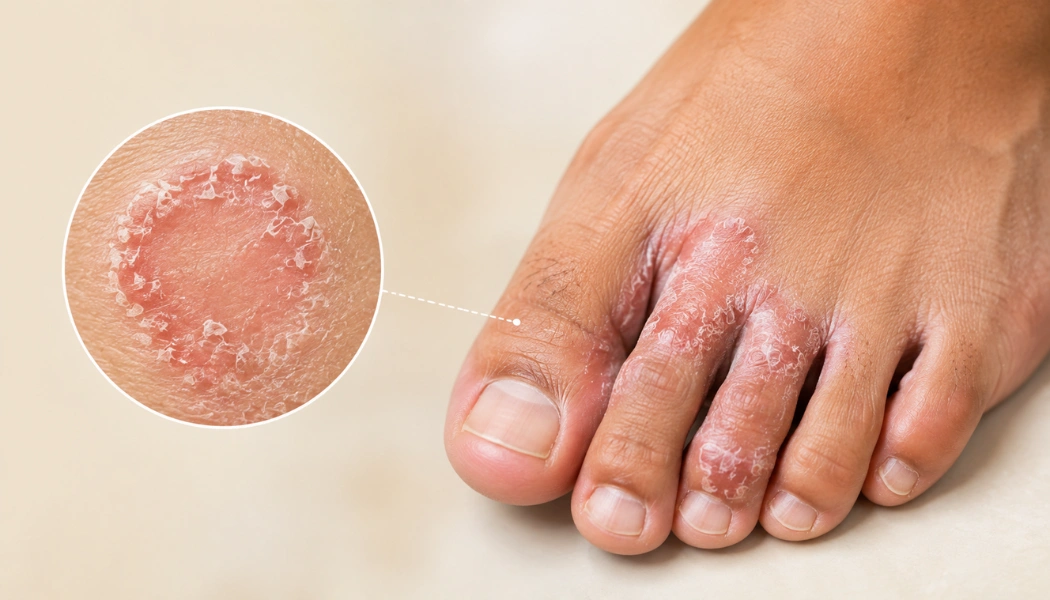
Fungal Infections
Fast, accurate diagnosis and treatment.
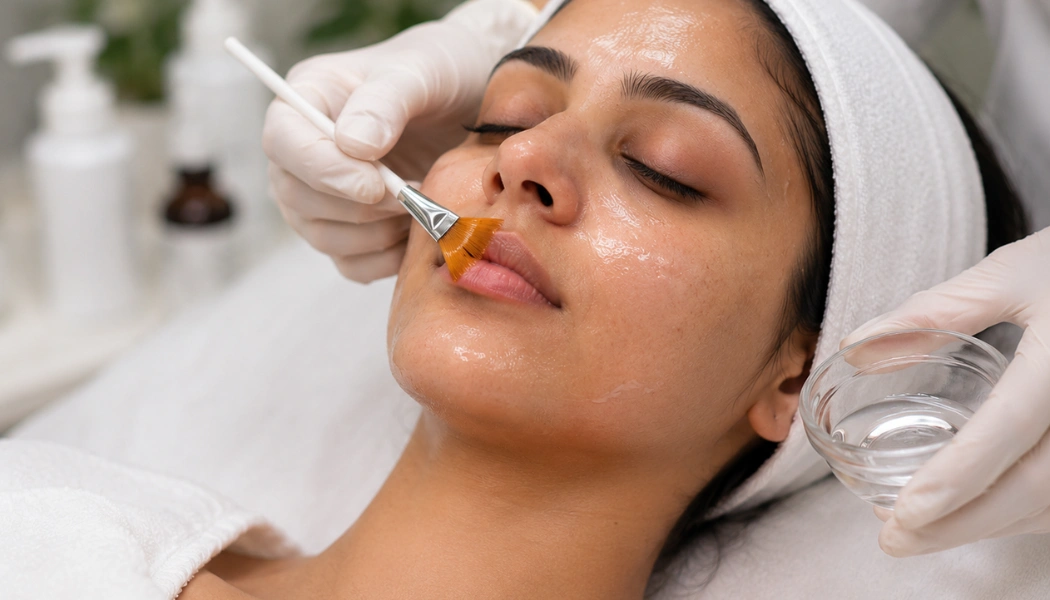
Chemical Peels
Brighter, more even-toned skin.
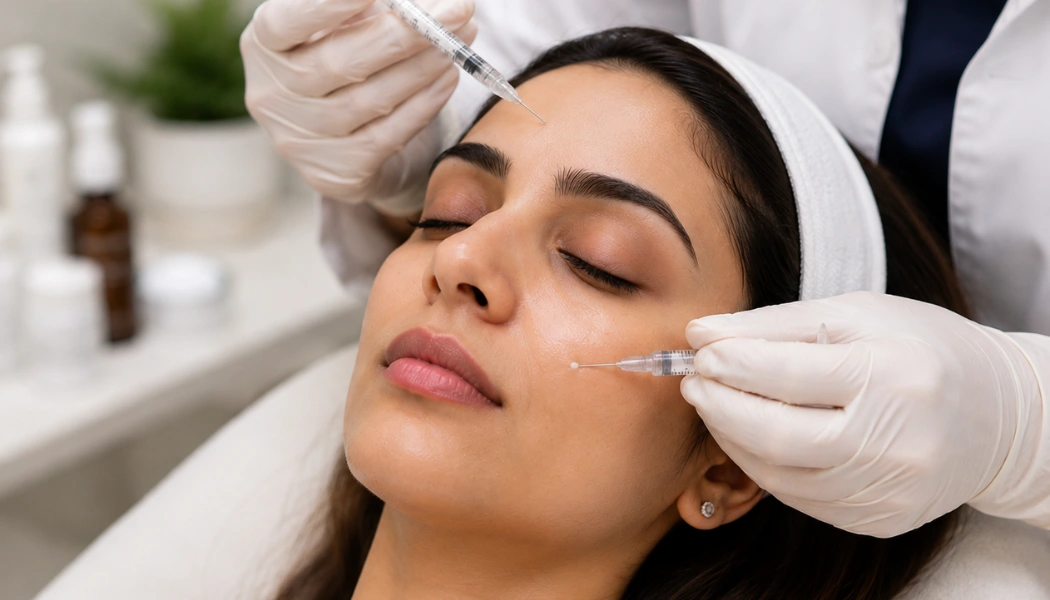
Botox & Fillers
Natural-looking, subtle anti-ageing results.

Skin Rejuvenation
Restoring texture, glow and firmness.
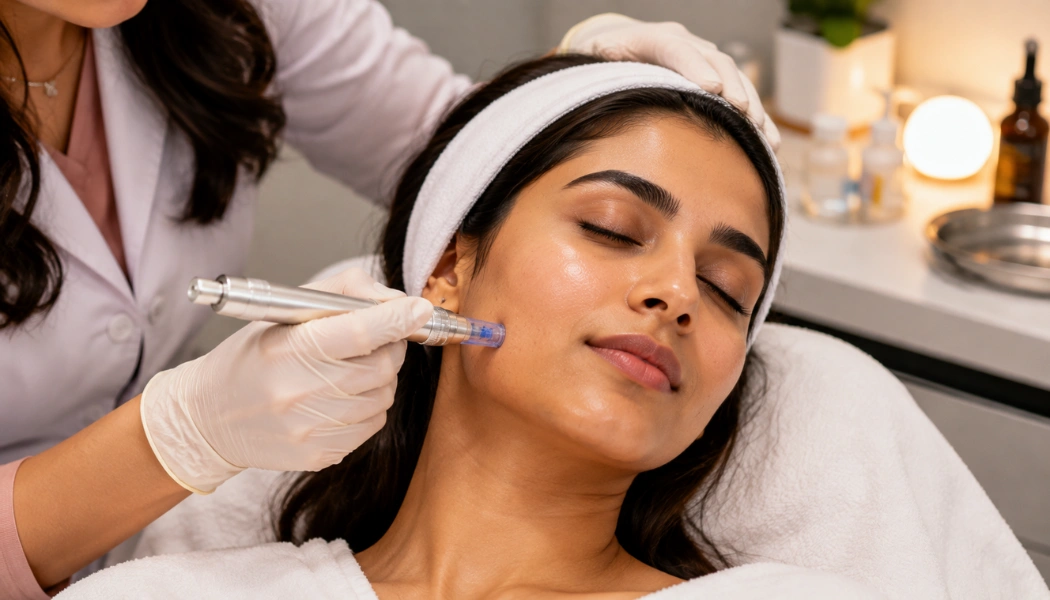
Microneedling
Collagen-stimulating treatment for fine lines.
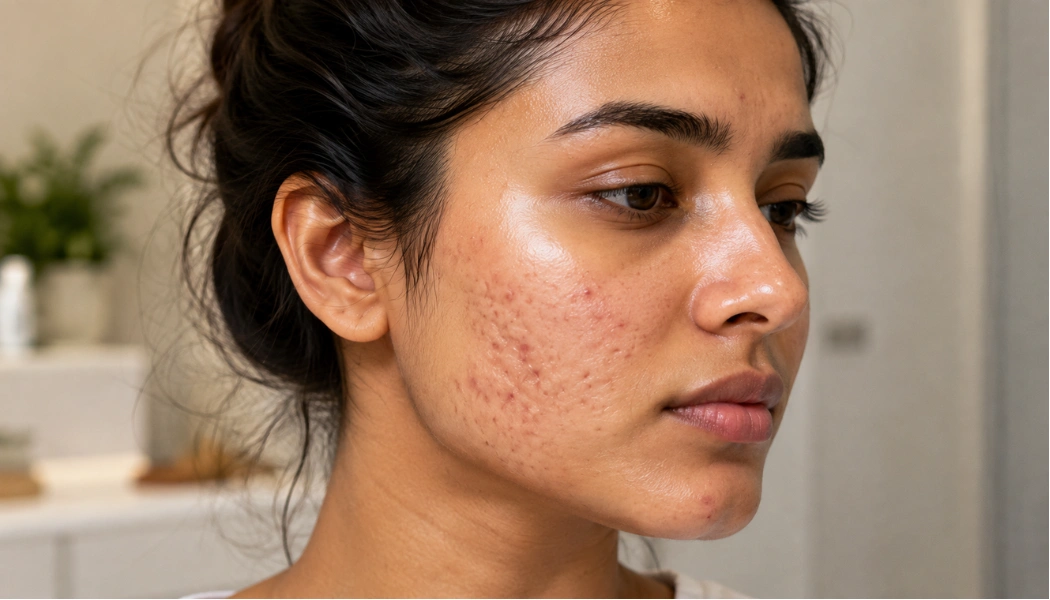
Scar Reduction
Smoothing out old acne and injury scars.
.webp)
Hair Loss (Alopecia)
Diagnosing the real cause before treating it.
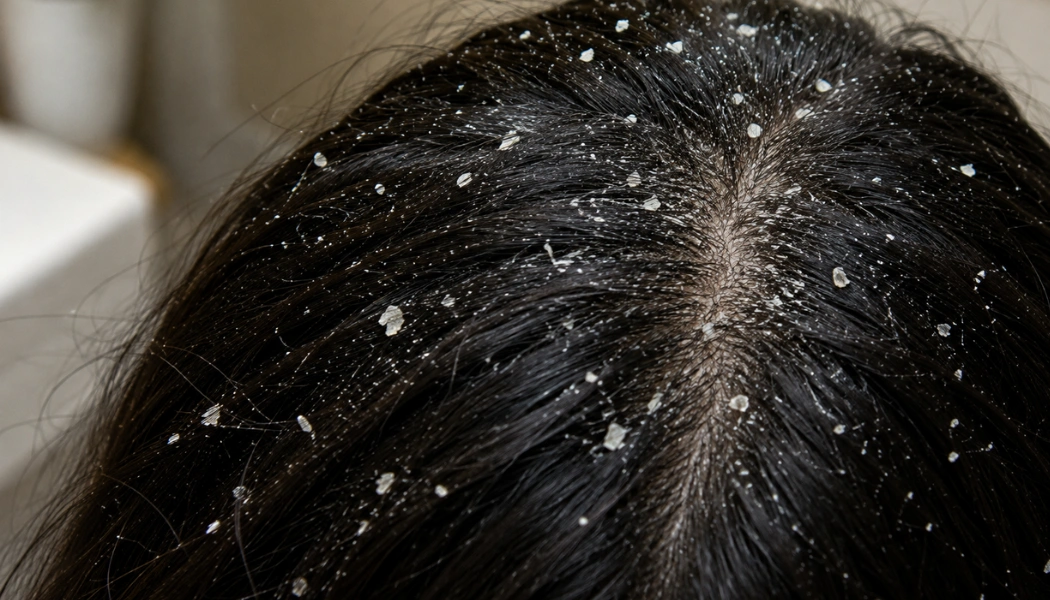
Dandruff
Lasting relief, not just a medicated shampoo.
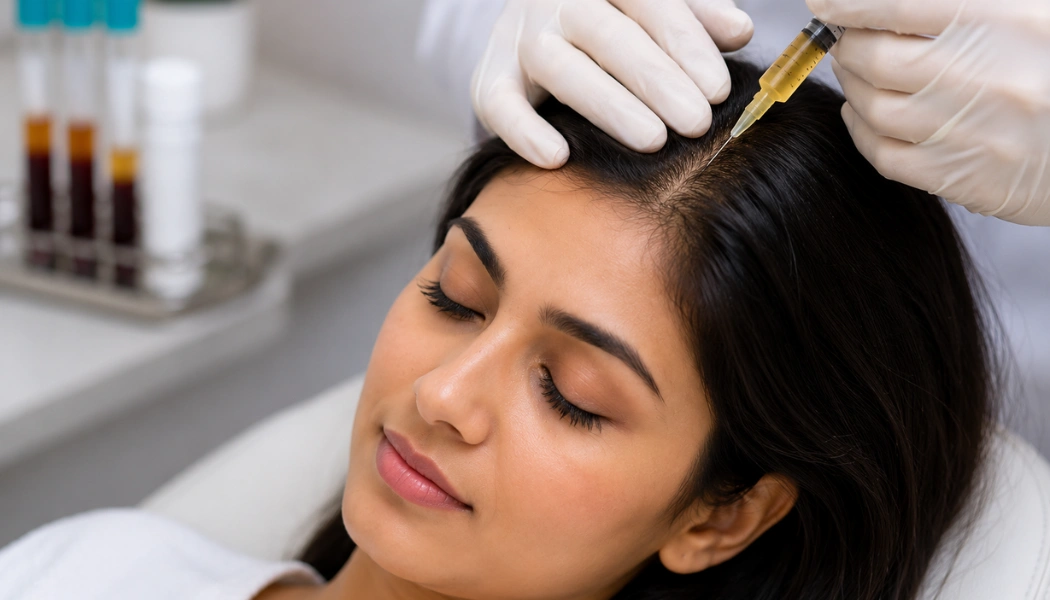
PRP Therapy
Using your own platelets to stimulate growth.

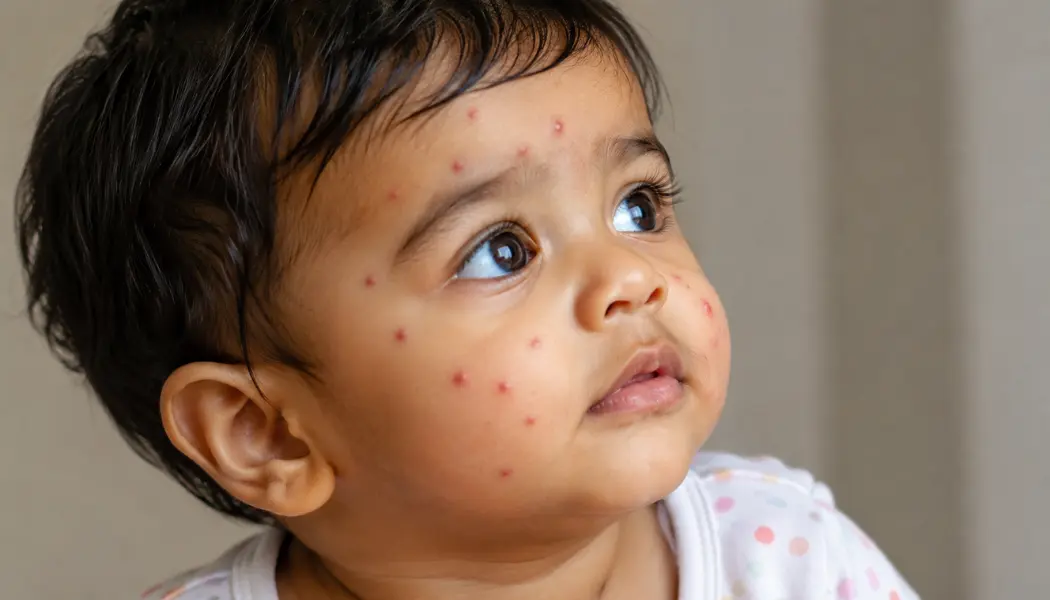
Diaper Rash
Gentle care for the youngest patients.
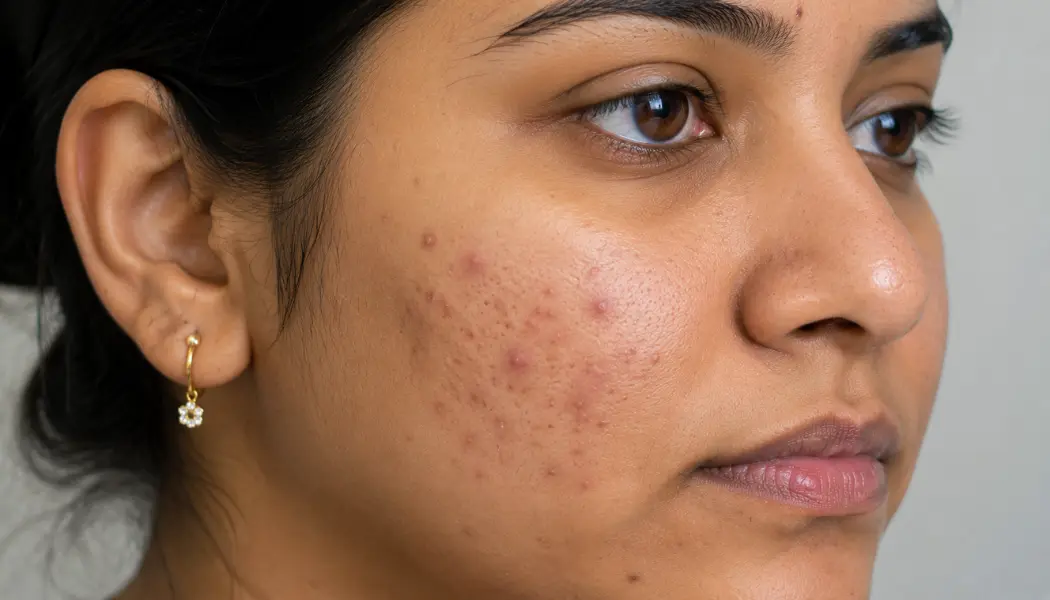
Pediatric Acne
Age-appropriate treatment for teen breakouts.
Genetic Skin Issues
Long-term management plans for families.
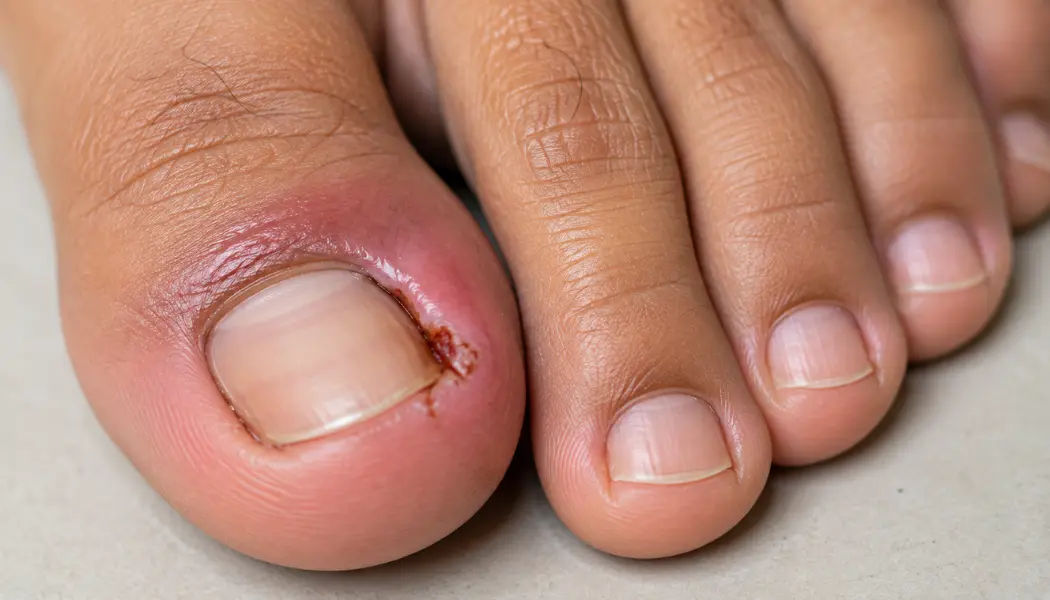
Ingrown Toenails
Quick, minimally invasive correction.
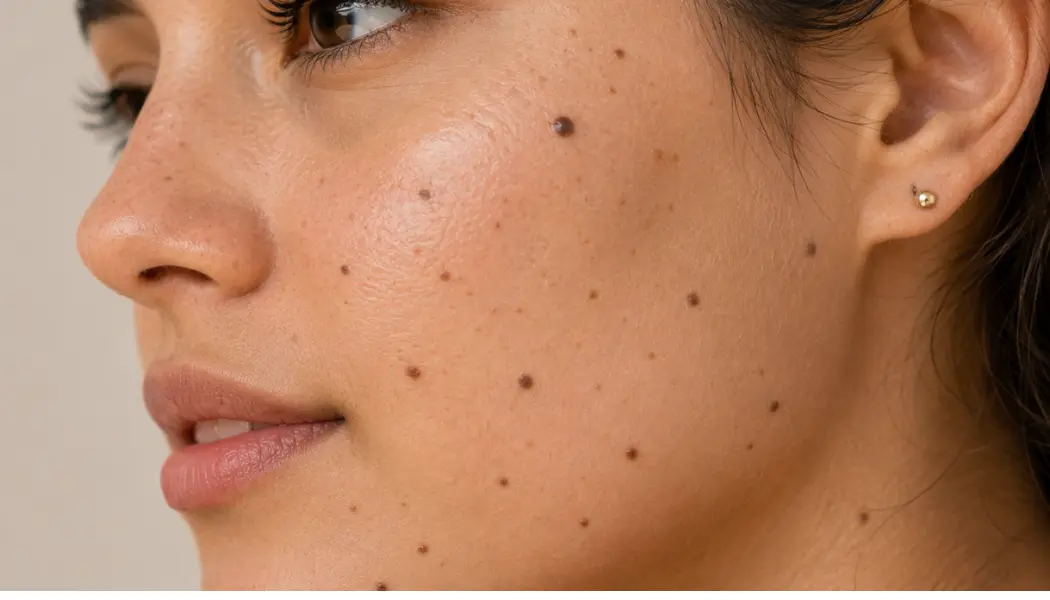
Mole Removal
Safe removal with cosmetic care in mind.
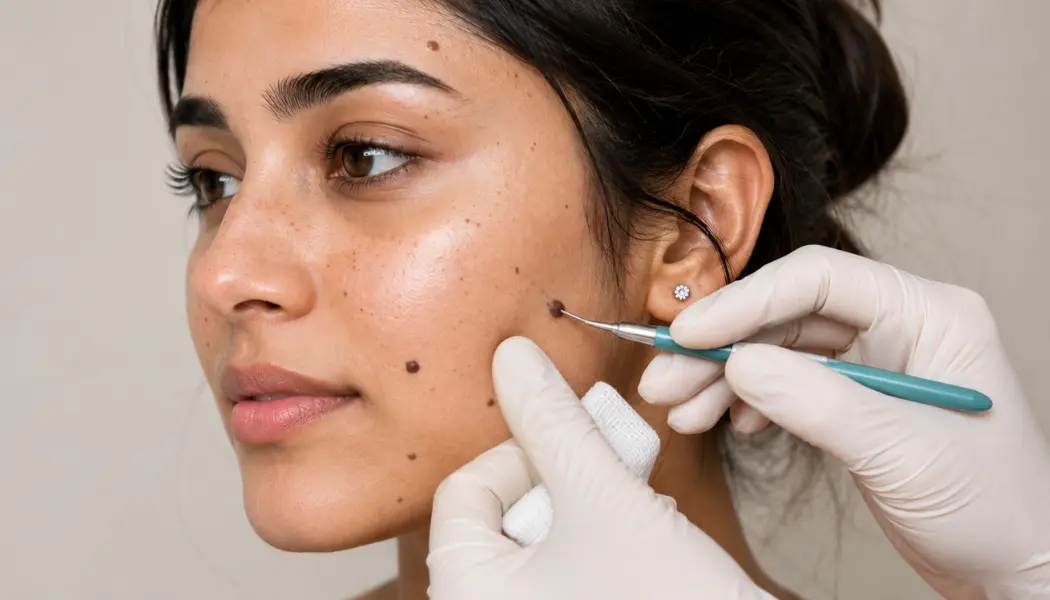
Skin Biopsy
Accurate diagnosis for unclear skin conditions.
Best Dermatologist in Lucknow with Patient-First Care
What truly sets Dr. Pragati apart is her patient-centric philosophy.
She believes that:
- Every skin concern deserves careful listening.
- No two patients require identical treatment.
- Honest guidance builds long-term trust.
- Sustainable results matter more than temporary fixes.
Patients often appreciate:
- Explains conditions in simple language
- Takes time during consultations
- Recommends only necessary treatments
- Focuses on overall health over quick-fixes
This balanced approach has helped build long-standing relationships with patients and families across generations.
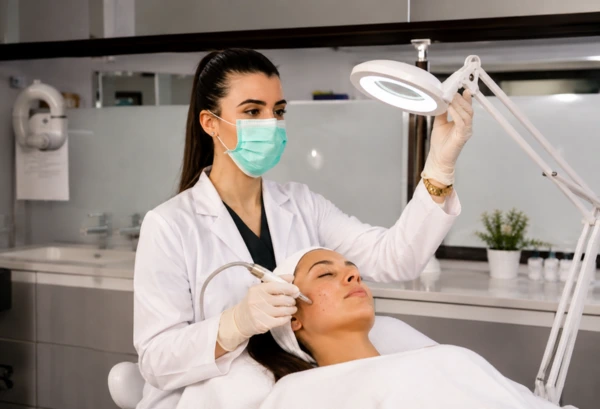
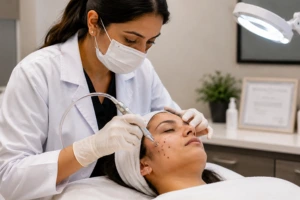
Philosophy of Ethical Dermatology
In an era where aggressive marketing often influences medical decisions, Dr. Pragati remains committed to ethical care.
Medically justified care
Recommending treatments only when medically justified.
Avoiding overtreatment
Focusing strictly on what your skin actually requires.
Clinically proven technologies
Using advanced methods backed by science.
Complete Transparency
Maintaining transparency in procedures and expectations.
Her approach prioritizes patient safety, long-term skin health, and evidence-based dermatological practices.
Technology & Advanced Care
Modern dermatology benefits greatly from technological innovation. At her practice, patients receive access to:
Every technology used is selected for safety, efficacy, and long-term benefits.
Why Patients Choose Dr. Pragati Gogia Jain

Patients consistently choose Dr. Pragati because of:
- Strong academic background
- Years of hands-on experience
- Transparent communication
- Personalized treatment plans
- Ethical recommendations
- Focus on long-term skin wellness
- Association with a reputed hospital infrastructure
Her reputation is built not on promises — but on results and trust.
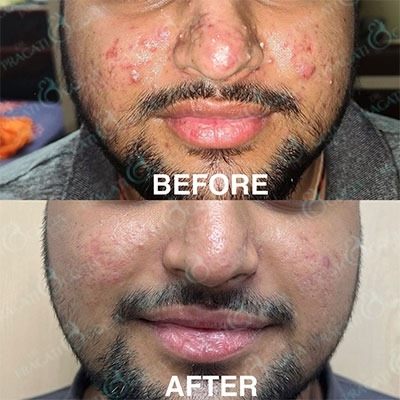
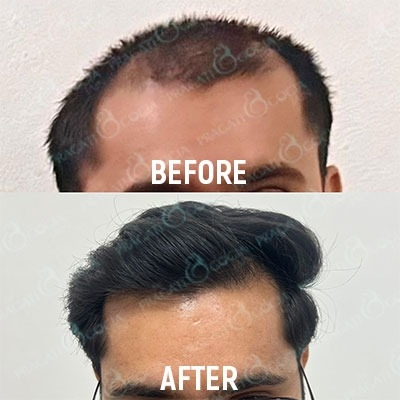
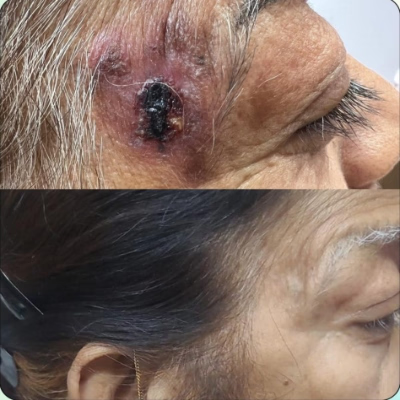
Before & after: witness the power of dermatology
See the remarkable transformations led by Dr. Pragati Gogia jain —our ‘Before & After’ gallery reflects real results through expert dermatological care


.avif)
Real patient stories that reflect exceptional skin care
Hear from our satisfied patients about their journey to healthier, glowing skin. Their stories reflect the care, expertise, and trust built at every step.
BOOK A VISIT
Take the first step toward healthier skin.
Fill in the form and the clinic team will call you back to confirm a slot — or just call/WhatsApp directly.
Our Blogs

Frequently Asked Questions
- Gentle cleanser (non-stripping)
- Targeted toner (hydrating or exfoliating)
- Treatment serum (vitamin C, niacinamide, etc.)
- Prescription actives (retinoids or acne medication if needed)
- Moisturizer (based on skin type)
- Sunscreen (SPF 30–50, mandatory daily)
- Night repair (barrier repair creams or actives)
- Acne vulgaris
- Eczema (atopic dermatitis)
- Psoriasis
- Fungal infections (ringworm)
- Vitiligo
- Rosacea
- Melasma (pigmentation)
- Urticaria (hives)
- Warts (viral infections)
- Seborrheic dermatitis
- Normal
- Dry
- Oily
- Combination
- Sensitive
- Acne-prone
- Mature (aging skin)
- Normal
- Dry
- Oily
- Combination
- Sensitive
- Fungal infections (tinea/ringworm)
- Bacterial infections (impetigo)
- Viral infections (warts)
- Herpes simplex infections
- Scabies (parasitic infestation)
- Folliculitis (infected hair follicles)
- Psoriasis (autoimmune scaling disorder)
- Eczema (inflammatory skin condition)
- Vitiligo (loss of skin pigmentation)
- Bacterial (e.g., cellulitis)
- Viral (e.g., warts, herpes)
- Fungal (e.g., ringworm)
- Parasitic (e.g., scabies)
- Persistent redness or itching → inflammation or allergy
- White or dark patches → pigmentation disorders
- Painful pus-filled lesions → bacterial infection or acne
- Dry, flaky skin → eczema or fungal infection