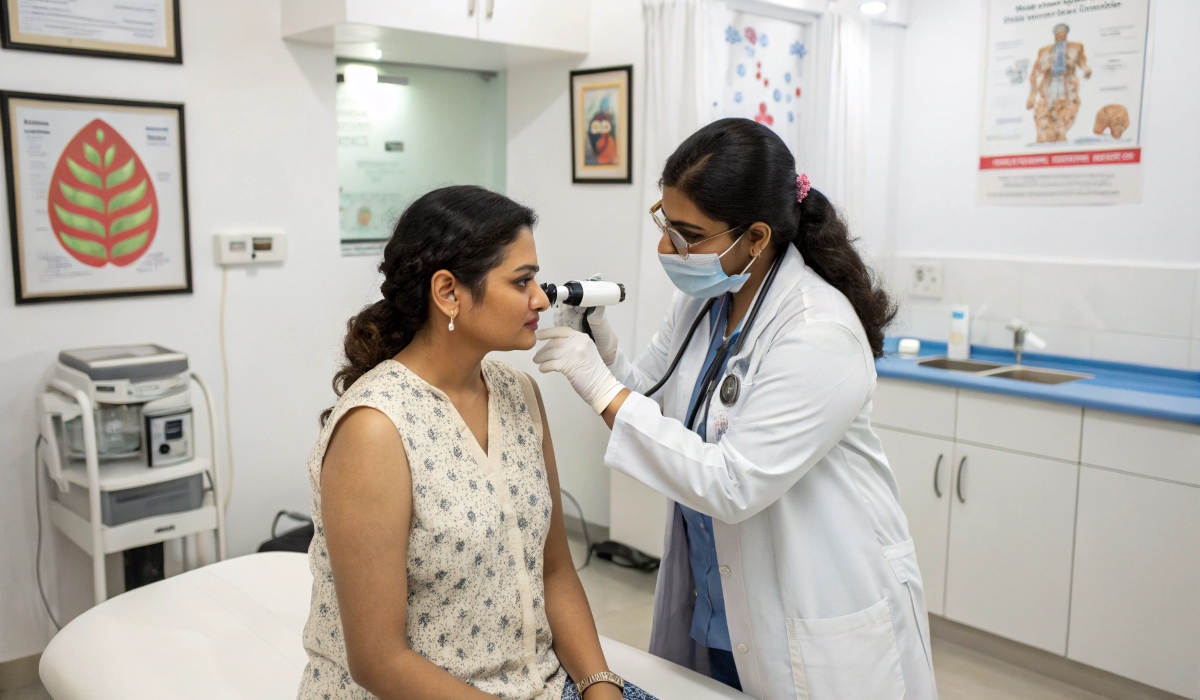
Visiting a dermatologist for the first time can feel like stepping into a new world. Whether you’re dealing with acne, a suspicious mole, or thinning hair, dermatologists are experts who help your skin, hair, and nails thrive. But what happens during that first appointment, and how should you prepare? This guide answers all your questions about your first dermatologist visit, from tests performed to what to wear and how to avoid common mistakes. With the right preparation, you’ll feel confident and ready to start your journey to healthier skin, hair, and nails.
What Happens During Your First Dermatologist Visit?
Your first visit to a dermatologist is like a detective mission to uncover the root of your skin, hair, or nail concerns. Here’s what typically happens:
- Medical History Review: The dermatologist asks about your health, allergies, medications, and lifestyle (e.g., sun exposure, diet). This helps them understand factors like Lucknow’s humid climate, which can worsen skin issues.
- Symptom Discussion: You describe your concerns, like acne, rashes, or hair loss. Be specific about when symptoms started and what you’ve tried.
- Physical Exam:The dermatologist examines your skin, hair, or nails, sometimes using a magnifying tool called a dermoscope. For full-body checks, they may look at areas like your back or scalp.
- Diagnosis and Plan:They explain what’s causing your issue (e.g., eczema, fungal infection) and suggest treatments, like creams, procedures, or lifestyle changes.
- Follow-Up: They may schedule a follow-up or tests if needed.
In places like Lucknow, where heat and dust can trigger skin problems, the best dermatologist in Lucknow, like Dr. Pragati Jain, tailors care to your unique needs. Expect a 15–30-minute visit, depending on your concerns.
What Kind of Tests Do Dermatologists Perform?
Dermatologists use various tests to diagnose conditions accurately. Common tests include:
- Skin Biopsy: A small sample of skin is removed to check for cancer or infections.
- Patch Testing: Small amounts of allergens are applied to your skin to identify allergies causing rashes.
- Skin Culture:A swab tests for bacterial or fungal infections, like ringworm.
- Dermoscopy: A magnifying device examines moles or lesions for signs of cancer.
- Blood Tests:Used to check for systemic conditions like lupus or hormonal issues causing hair loss.
- Wood’s Lamp:A UV light detects fungal or pigment disorders.
- Tzanck Smear:A scrape of a blister checks for viral infections like herpes.
Each test is quick, often done in-office, and helps pinpoint the cause of your issue. For example, a biopsy might confirm a mole is benign, easing your worries.
What Not to Do Before Seeing a Dermatologist?
To ensure an accurate diagnosis, avoid these mistakes before your visit:
- Don’t Apply Makeup or Heavy Products: These can mask skin issues like redness or acne.
- Avoid Self-Treating Stop using over-the-counter creams or home remedies 1–2 days before to show your natural skin condition.
- Don’t Scrub Your Skin: Harsh scrubbing can irritate rashes or eczema, making diagnosis harder.
- Don’t Hide Medications: Disclose all medications, supplements, or herbal treatments, as they may affect your skin.
- Avoid Tanning or Sun Exposure: Sunburn can obscure skin issues, especially for mole checks.
- Don’t Skip Meals: Eating normally helps, as fasting might affect blood tests if ordered.
These steps ensure the dermatologist sees your skin’s true state, leading to better treatment plans.
What to Wear to a Dermatologist?
What you wear depends on the appointment type, but comfort and accessibility are key:
- General Skin Check: Wear loose, easy-to-remove clothing (e.g., a t-shirt and pants) for quick access to arms, legs, or back. Avoid tight jeans or complex outfits.
- Full-Body Skin Check:A loose top and pants or a skirt allow easy undressing. You may be given a gown for modesty.
- Scalp or Hair Concerns: Choose a top that’s easy to lift or remove to expose your scalp without fuss.
- Nail Issues: Wear open-toe shoes or sandals if your toenails are the concern.
Bring comfortable clothes for after procedures like biopsies, as tight clothing may irritate treated areas.
Should I Wash My Hair Before a Dermatologist Appointment?
Whether to wash your hair depends on your concern:
- Scalp Issues (e.g., dandruff, psoriasis): Avoid washing your hair for 24–48 hours before the visit to show the natural state of your scalp (e.g., oiliness, flakes).
- Hair Loss (e.g., alopecia): Wash your hair the day of the appointment to ensure a clean scalp for examination, but avoid heavy products like gels.
- General Skin Visit: Hair washing isn’t necessary unless the scalp is being checked.
If unsure, ask the clinic when booking. Clean or unwashed, be honest about your hair care routine to help the dermatologist assess your condition.
What to Wear to a Skin Check?
For a skin check, prioritize clothing that’s easy to remove and exposes key areas:
- Loose Tops: A t-shirt or button-up shirt allows quick access to your back, chest, or arms.
- Comfortable Bottoms: Pants or a skirt with an elastic waistband are easy to adjust for leg or lower body checks.
- Minimal Accessories: Avoid heavy jewelry or watches that might interfere with the exam.
- Undergarments: Wear simple, comfortable underwear, as you may need to undress partially. A gown is usually provided for privacy.
In humid climates like Lucknow, lightweight fabrics like cotton keep you comfortable during the visit.
How Painful Is a Skin Biopsy?
A skin biopsy is minimally painful due to local anesthesia. Here’s what to expect:
- Types of Biopsies:
- Shave Biopsy: Removes surface layers; feels like a slight pinch after numbing.
- Punch Biopsy: Removes a deeper sample; may cause mild pressure or tugging.
- Excisional Biopsy:Removes a larger area; feels like a sting during numbing.
- Pain Level:The numbing injection stings briefly (like a mosquito bite). During the procedure, you may feel slight pressure but no sharp pain.
- Post-Procedure:Mild soreness or tenderness lasts 1–3 days, manageable with over-the-counter pain relievers.
- Recovery Tips: Keep the area clean, avoid picking at scabs, and follow the dermatologist’s care instructions.
Most patients describe it as less painful than a dental visit, with quick recovery.
Can a Dermatologist Tell My Skin Type?
Yes, dermatologists can determine your skin type (oily, dry, combination, normal, sensitive) through:
- Visual Exam:Checking for oiliness, dryness, or redness.
- Touch: Feeling your skin’s texture and elasticity.
- Questions: Asking about your skin’s reaction to products, sun, or weather.
- Tests: Occasionally, tools like a sebumeter measure oil production.
Knowing your skin type guides treatment. For example, oily skin may need mattifying products, while dry skin benefits from heavy moisturizers. In Lucknow’s heat, dermatologists often recommend lightweight products for combination skin.
How Deep Is a Shave Biopsy?
A shave biopsy removes the top layers of skin, typically 1–2 mm deep, including the epidermis and part of the dermis. It’s used for surface-level issues like moles or benign growths. Compared to a punch biopsy (3–4 mm deep), it’s less invasive and leaves minimal scarring. The procedure takes 5–10 minutes, and healing occurs within 7–14 days, often without stitches. Avoid sun exposure post-biopsy to prevent pigmentation, especially in sunny climates like Lucknow.
Why Do Dermatologists Draw Blood?
Blood tests help dermatologists diagnose conditions with systemic causes. They’re used for:
- Autoimmune Diseases:Lupus or scleroderma, which cause rashes or hair loss.
- Hormonal Issues: Polycystic ovary syndrome (PCOS) linked to acne or hair loss.
- Infections: Checking for underlying infections affecting the skin.
- Nutrient Deficiencies: Low iron or vitamin D causing hair thinning.
- Chronic Conditions: Psoriasis or eczema tied to inflammation markers.
Blood tests are quick, done in-office or at a lab, and provide a fuller picture of your health for accurate treatment.
Do I Need to Shave Before Seeing a Dermatologist?
Shaving depends on the appointment:
- Surgical Procedures:Shave the area (e.g., for a biopsy) only if instructed, to avoid irritation.
- Hair Loss or Scalp Issues: Avoid shaving, as hair follicles need to be visible for assessment.
- Skin Checks: Shaving isn’t usually needed unless hair obscures a specific area (e.g., a mole).
Ask the clinic when booking. Unshaved skin often helps dermatologists see natural patterns, like hair growth or rashes.
Should I Wear Makeup to a Dermatologist?
Avoid wearing makeup to a dermatologist appointment, as it can:
- Mask Symptoms:Concealer hides redness or acne, affecting diagnosis.
- Interfere with Tests:Makeup may alter patch test or dermoscopy results.
- Cause Irritation:Removing makeup in-office can irritate sensitive skin.
Arrive with a clean face, using only a gentle cleanser and moisturizer. If you need makeup post-visit (e.g., for work), bring it to apply after the exam.
Do Dermatologists Do Stuff with Hair?
Yes, dermatologists treat hair and scalp conditions, as they’re trained in all aspects of the skin, including hair follicles. Common issues they address include:
- Hair Loss (Alopecia):Treating androgenetic alopecia or alopecia areata with minoxidil or PRP therapy.
- Dandruff:Managing seborrheic dermatitis with medicated shampoos.
- Scalp Infections:Treating fungal or bacterial infections.
- Scalp Psoriasis:Using topical steroids or light therapy.
Unlike trichologists (non-medical hair specialists), dermatologists can prescribe medications, perform biopsies, or order blood tests for comprehensive care. For example, they might diagnose hormonal hair loss and recommend targeted treatments.
Why Your First Visit Matters
Your first dermatologist visit is a step toward healthier skin, hair, and nails. By preparing properly—wearing the right clothes, avoiding makeup, and being open about your symptoms—you set the stage for effective care. Dermatologists don’t just treat problems; they empower you with knowledge to prevent future issues. Whether you’re in Lucknow or elsewhere, a visit to a dermatologist can transform your confidence and well-being. Ready to start? Book your appointment and take control of your skin health today.